ICMR Seeks Stronger Institutions, Technology-Driven Capital Market Beyond Recapitalisation

As Nigeria intensifies efforts to strengthen its financial institutions through recapitalisation, the Institute of Capital Market Registrars (ICMR) is warning that bigger balance sheets alone will not guarantee a resilient financial system or a sustainable capital market. The Institute is challenging market operators to look beyond capital injections and embrace stronger corporate governance, technology-driven innovation, cybersecurity, operational efficiency and robust investor protection, arguing that the future of Nigeria’s capital market will depend not merely on how much capital institutions command, but on the strength of their systems, the integrity of their people and the confidence they inspire among investors.
The Institute of Capital Market Registrars (ICMR) has called for stronger institutional governance, technological innovation and enhanced investor protection as critical priorities for building resilient institutions and a sustainable Nigerian capital market beyond the ongoing recapitalisation of financial institutions.
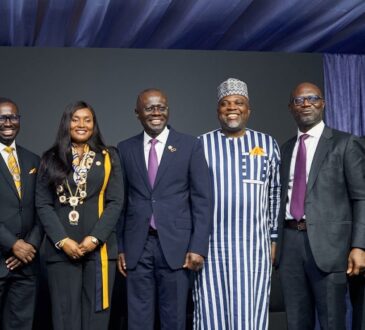
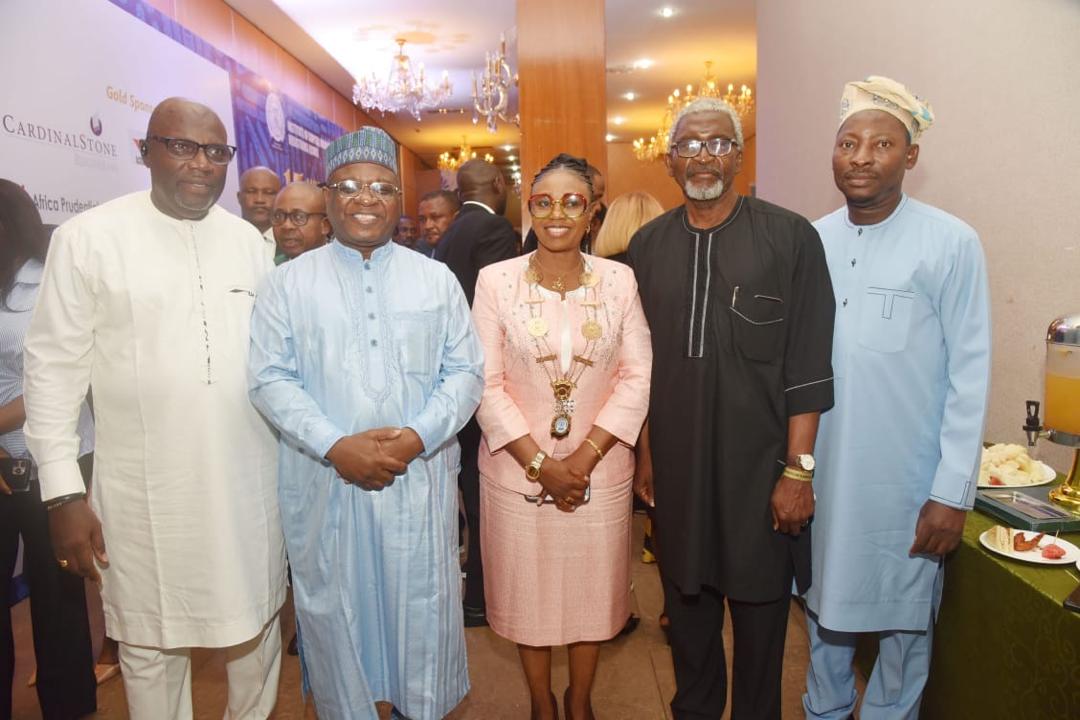
The President and Chairman of Council of ICMR, Catherine Nwosu, made the call at the Institute’s 15th Annual Conference, Investiture of Fellows and Induction of Associates, held in Lagos at the weekend.
Speaking on the theme, “Beyond Recapitalisation: Building Resilient Institutions and Sustainable Capital Markets,” Nwosu said that although recapitalisation was a significant step towards strengthening financial institutions, a stronger capital base alone could not guarantee institutional resilience or long-term sustainability.
She urged capital market operators, particularly registrars, to prioritise investments in technology, cybersecurity, data integrity, efficient service delivery and innovative shareholder engagement solutions to meet the changing expectations of investors.
According to her, the evolving financial services landscape has made the role of registrars more consequential, extending beyond the custody of shareholder records and administration of corporate actions to strategic responsibilities in promoting investor confidence, corporate accountability and effective communication between companies and their shareholders.
Nwosu noted that the Institute’s 15-year journey had been characterised by professional development, institutional growth, knowledge exchange and advocacy for best practices in shareholder services, securities administration, investor relations and corporate governance.
She also disclosed that ICMR was working towards establishing a permanent corporate office as part of its institutional development agenda for 2027, describing the proposed facility as a strategic investment in the Institute’s future, visibility and institutional identity.
She called on Fellows, Associates, corporate members and other stakeholders to support the project through financial contributions, partnerships, professional expertise and other meaningful assistance.
On the Institute’s technology agenda, Nwosu identified interoperability among registrars as a key priority, noting that technology would be deployed to improve industry-wide operational efficiency, stakeholder engagement and investor education.
She further emphasised the need to attract and develop a new generation of capital market professionals equipped with technical competence, digital capabilities and strong ethical values.
Meanwhile, the Director-General of the Securities and Exchange Commission (SEC), Dr Emomotimi Agama, highlighted the importance of effective regulatory intervention in protecting investors and ensuring accountability among market operators.
An illustration of the Commission’s intervention, as contained in its published litigation records, involved a dispute with Wema Bank Plc over an investor’s complaint concerning the non-allotment of shares for which payment had been made.
According to the SEC’s account, the investor had paid N95.16 million for more than 20.5 million shares but received only approximately 7.2 million units. Following its investigation, the Commission directed the bank to refund the outstanding N59.17 million and imposed a daily penalty for the infraction.
The Investments and Securities Tribunal subsequently affirmed the Commission’s findings and directed the refund, alongside N200,000 in damages.
The case illustrates the importance of regulatory oversight and the availability of effective redress mechanisms in safeguarding investors’ interests and strengthening confidence in the capital market.
Also speaking at the conference, the Chairman of NGX Group, Dr Umaru Kwairanga, described capital market registrars as custodians of the wealth of millions of individuals and corporate organisations, given their responsibility for maintaining accurate securities ownership records and facilitating seamless, non-fraudulent transfers.
He stressed that the integrity of the profession depended on the character of its practitioners, insisting that only individuals of unimpeachable integrity, who would not succumb to bribery, inducement or intimidation, should be entrusted with such sensitive responsibilities.
Kwairanga, who commended Nwosu and the Institute’s leadership for their commitment to professional standards, urged ICMR to sustain its efforts to ensure that members uphold the highest ethical and professional standards.
He also challenged registrars to keep pace with advances in technology, digitalisation, cybersecurity and artificial intelligence, stressing the need for continuous upgrading of operational processes to make their services more efficient, secure and customer-friendly.
The conference also featured a keynote address by the Chief Executive Officer of Financial Derivatives Company Limited, Mr Bismarck Rewane, alongside presentations and panel discussions involving key industry stakeholders.
The event brought together regulators, capital market operators, professional bodies and other stakeholders to examine strategies for strengthening institutional resilience and advancing the sustainability and competitiveness of Nigeria’s capital market.
About the Author
Sola Oni is a Fellow of the Institute of Capital Market Registrar (ICMR)

About The Author
Vitafoam Invests in Health and Humanity with Equipment Donation to UPTH
NGX Group Acquires 10% Stake in Nairobi Exchange, Deepens Pan-African Expansion
CIS Inducts 509 Associates, Elevates 63 Fellows, Launches ₦5bn Endowment Fund