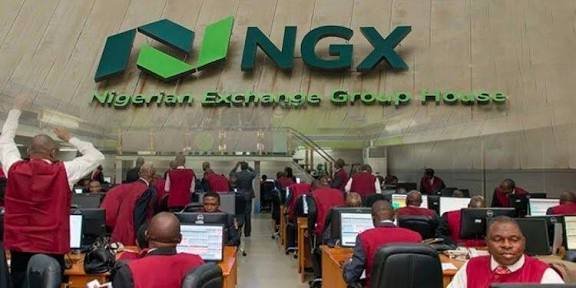

The decision by the Nigerian Exchange Limited to extend its trading hours is a commendable, forward-looking reform that aligns Nigeria’s capital market with evolving global standards. In advanced and emerging jurisdictions such as the United States, where exchanges like the New York Stock Exchange operate extended sessions, and across Europe with similarly long trading windows, longer trading periods have consistently supported deeper liquidity, improved price discovery, and stronger investor participation.
A similar pattern is evident in dynamic frontier and emerging markets such as the Johannesburg Stock Exchange, which trades from 9 a.m. to 5 p.m., and the Bombay Stock Exchange, which operates from 9:15 a.m. to 3:30 p.m. These markets recognise that truncated trading hours constrain ambition. Longer windows tend to attract deeper pools of foreign portfolio investment and improve alignment with global market developments. Against this backdrop, NGX’s shift from a 9:30 a.m.–2:30 p.m. schedule to a 9:00 a.m.–4:00 p.m. window represents a clear alignment with global best practice.
The significance of this reform is substantial. First, it enhances price discovery. With equities market capitalisation now above N140 trillion and year-to-date returns exceeding 35%, the market is already on firm footing. A longer trading session allows news—whether a morning policy announcement from the CBN or midday earnings releases—to be immediately reflected in prices, reducing overnight gap risk and improving market efficiency.
Second, it broadens investor access. Many retail participants previously constrained by working hours can now respond to market developments until 4 p.m., improving participation and inclusiveness. From an impact perspective, the reform is likely to deepen liquidity gradually while broadening market participation. Overlapping trading hours with major European markets and parts of the US session will support real-time hedging and arbitrage opportunities. In turn, extended trading hours typically result in higher volumes, tighter bid-ask spreads, and more efficient price formation. This is particularly relevant following Nigeria’s recognition by FTSE Russell as a Frontier Market, which increases its visibility among global investors.
The benefits also extend to market development. With a more diversified product mix—equities, bonds, ETFs, commercial paper, and emerging derivatives—a longer trading window provides these instruments with greater scope for price discovery and maturity. It also strengthens Nigeria’s attractiveness to international investors operating across different time zones, potentially increasing cross-border capital flows and activity in fixed income and derivatives markets.
However, the reform is not without risks. Extended hours may heighten volatility, particularly in early and late trading periods where liquidity is initially thinner. Operational pressures could also increase, including system strain, surveillance complexity, and the need for market participants to adjust risk management frameworks. Research also suggests that longer trading sessions can intensify demands on trading infrastructure and personnel, with risks of fatigue affecting decision-making during low-liquidity periods.
This places greater responsibility on NGX Regulation Limited and the Securities and Exchange Commission. Both institutions must strengthen market surveillance to deter manipulation during extended hours. Continuous monitoring of liquidity and volatility patterns will be essential to ensure orderly trading conditions. Investor education will also be critical to help market participants adjust to the new trading structure.
In addition, robust technological infrastructure and contingency systems must be maintained to support uninterrupted trading. Clear guidance on market maker obligations—particularly in the final trading hour—will be necessary to prevent artificial widening of spreads. The SEC should also conduct a post-implementation review after the first quarter, focusing on volatility patterns, liquidity dynamics, and investor experience.
In sum, this reform represents a strategic step toward a more modern and competitive exchange. If effectively implemented, it will deepen liquidity, improve market access, and strengthen Nigeria’s broader financial ecosystem in support of sustainable economic growth.

About The Author


Vitafoam Invests in Health and Humanity with Equipment Donation to UPTH

ICMR Seeks Stronger Institutions, Technology-Driven Capital Market Beyond Recapitalisation

NGX Group Acquires 10% Stake in Nairobi Exchange, Deepens Pan-African Expansion