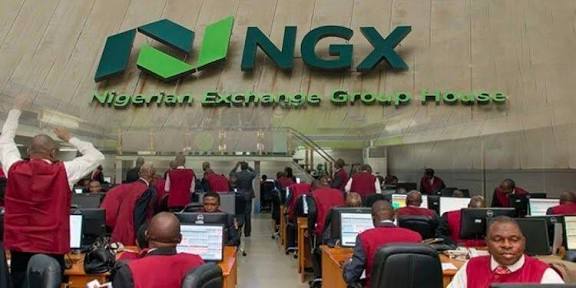

The recent Investor Education Series, powered by the Nigerian Exchange Limited (NGX), themed “Positioning for Growth” with the sub-theme “Leveraging Opportunities in a Bullish Market,” was timely. Ayodele Akinwunmi, Chief Economist at United Capital, highlighted NGX performance in a global context. But bullish markets are double-edged: they can drive growth and attract capital, yet they carry hidden risks, including overvaluation, speculation, volatility, and sudden reversals.
Asset bubbles rarely announce themselves. They emerge when market prices drift from underlying economic value and speculation replaces fundamentals. Price discovery is the process by which markets determine fair value. It is more than technical; it is the first line of defence against financial instability. Weak price discovery can trigger catastrophic consequences. Safeguarding it protects investors, markets, and the economy. At its core, price discovery depends on transparency and timely access to accurate information. Prices reflect true value only when participants have credible data and trading mirrors genuine supply and demand. Incomplete or delayed information fuels speculation, inflates valuations, and increases systemic risk. Regulators and market operators cannot afford complacency. Enforcing disclosure standards, monitoring trading patterns, and detecting manipulation are not optional. They are critical towards averting another market bubble.
Manipulation, intentional or not, distorts price discovery, creating a false sense of market health. History shows the stakes: the dot-com bubble of the late 1990s and the 2008 global financial crisis were fuelled by weak price discovery, lax regulation, and opaque reporting. The 2008 meltdown wiped out over 70% of market capitalization on the Nigerian Stock Exchange (now NGX), hitting banking and energy sectors hardest. Retail and institutional investors lost billionsof Naira, some permanently. The crises offer lessons that remain painfully relevant as lives were lost, prison sentences handed out, and many have yet to recover.
Today, the NGX is on another bullish run, raising red flags. During my days at The Exchange, the Call-Over Trading System allowed brokers to defend pricing and chairman to correct out-of-line valuations, keeping prices closer to fundamentals. Today, technology accelerates overpricing, often disconnected from economic reality. Coupled with a banking sector flush with liquidity, the stage is set for potential market instability. Float management compounds the risk. When fewer than ten shareholders control the bulk of the most capitalised companies’ shares, it means market movements are dictated by a handful of actors, not genuine supply and demand. Concentrated holdings amplify volatility, distort pricing, and reduce opportunities for retail investors. The Securities and Exchange Commission (SEC) must urgently review float regulations to encourage wider share distribution, curb market concentration, and restore accurate price signals.
Strengthening price discovery requires regulatory enforcement and investor education. Regulators must enforce disclosure rules, monitor trading activity, and deploy advanced surveillance tools to flag abnormal patterns. Investors must access credible resources, consult securities dealers and understand valuation versus speculation. When price discovery operates on accurate information and professional conduct, markets are less prone to artificial bubbles.
Global examples underscore the lesson: the dot-com crash on NYSE/NASDAQ and the Shanghai Stock Exchange collapse of 2015 showed how weak price discovery, poor disclosure, and speculative hype destroy wealth. Bubble risk is universal; robust oversight is non-negotiable.
Preventing the next market meltdown is less about predicting speculation than reinforcing the integrity of price discovery. Transparent, professionally managed markets stabilize capital allocation and guide investments based on fundamentals, not hype. Regulators and operators bear a dual responsibility: enforce rules impartially and act with professional integrity. Any lapse through negligence, collusion, or abuse of authorityerodes confidence and magnifies systemic risk.
The message is clear: the SEC and NGX must act proactively. By promoting transparency, maintaining strict surveillance, enforcing float regulations, and educating participants, they can avert the next bubble before it begins. In financial markets, getting prices right early is far cheaper and safer than cleaning up after a collapse. Fixing price discovery is a moral and professional obligation to protect investors, maintain market stability, and prevent another catastrophic meltdown.
Oni, an Integrated Communications Strategist, Chartered Stockbroker, Commodities Broker and Capital Market Registrar, is the Chief Executive Officer, SofunixInvestment and Communications

About The Author


Fuel Subsidy: From Fiscal Relief to Shared Prosperity, By Kayode Oladipupo

The Path to Nigeria’s Greatness: My Birthday Wish, By Kayode Oladipupo

An X-Ray of Nigeria’s Capital Market Master Plan, By Uche Uwaleke