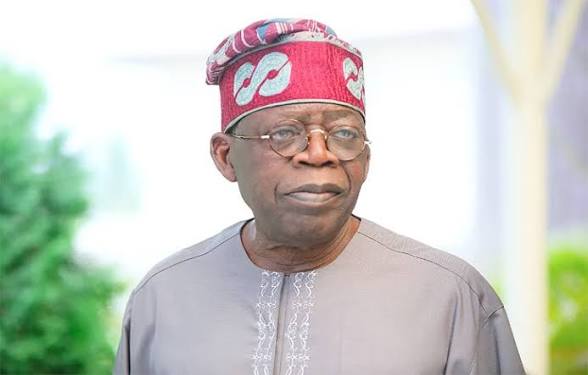
Tinubu Reforms: Will Nigeria Endure the Short-Term Pain? — Kayode Oladipupo

Nigeria’s economic reform journey must be understood not merely in terms of whether citizens can endure today’s hardship, but whether the country can develop the patience, discipline and political consistency required to allow economic reforms to mature and deliver sustainable prosperity.
The Tinubu administration inherited an economy burdened by structural weaknesses accumulated over several decades. Fuel subsidy distortions, exchange-rate inefficiencies, fiscal pressures, weak productivity, infrastructure deficits and a challenging business environment did not emerge overnight. Consequently, they cannot reasonably be expected to disappear overnight.
This is why reforms require time to mature. Economic reform is much like planting a seed. A farmer must prepare the soil, plant the seed, nurture it and protect it before expecting a harvest. Some reforms may initially cause discomfort before their benefits become visible. Removing distortions, correcting prices, restructuring public finances and reallocating resources can create short-term hardship, even when the ultimate objective is to build a healthier, more productive economy.
Nigeria therefore needs a measure of endurance and hopeful patience. But patience must not mean silence, nor should endurance be interpreted as an unconditional acceptance of government failure. Citizens must continue to demand that government remains on track and delivers on its promises.
This is where the administration’s responsibility becomes critical. Government must demonstrate that the sacrifices being demanded from Nigerians are producing measurable progress. Fiscal savings should translate into productive investments. Improved revenues should strengthen infrastructure and public services. Economic stability should encourage investment and job creation. Social interventions should protect the most vulnerable. Above all, citizens must increasingly see evidence that today’s sacrifices are creating tomorrow’s opportunities.
Breaking the Vicious Cycle
Nigeria’s greatest economic challenge is not simply that we have implemented bad policies. It is that we have repeatedly failed to give policies sufficient time, consistency and institutional support to produce their intended outcomes.
Since the 1970s, Nigeria has experimented with numerous economic strategies, programmes and development plans. Governments change, policies change, programmes are abandoned or renamed, priorities shift and institutions are restructured. New administrations frequently attempt to distinguish themselves by dismantling or modifying what preceded them.
The result has been a vicious cycle: policy formulation is followed by implementation; implementation is followed by political transition; political transition is followed by policy reversal; policy reversal creates uncertainty; uncertainty discourages investment; weak investment constrains productivity; low productivity creates economic hardship; and economic hardship produces another reform programme.
Then the cycle begins again.Nigeria cannot continue this way. A country cannot build sustainable prosperity by constantly changing direction. What Nigeria needs is a national development consensus that transcends individual administrations.
Governments may legitimately differ in ideology, priorities and methods, but certain fundamental objectives should enjoy national continuity. These should include economic diversification, human capital development, infrastructure development, energy security, agricultural transformation, industrialisation, technological advancement, employment creation and sound public financial management.
Shared Vision, Shared Purpose
The responsibility, however, does not belong to government alone. Nigeria needs a shared vision and common national purpose between government and citizens.
Government must provide credible leadership, policy consistency, transparency, accountability and competent implementation. Citizens, businesses and institutions must also recognise that national transformation requires some degree of sacrifice, discipline and collective responsibility.
The social contract must therefore work in both directions. Government should be able to say: “Give us the time and support to implement the reforms, and we will give you accountability, transparency and measurable results.”
Citizens should equally be able to say: “We are prepared to endure reasonable short-term sacrifices, but we expect government to remain faithful to the reform path and ensure that the benefits eventually reach the wider population.”This is the balance Nigeria needs.
Patience Must Have a Purpose
There is a significant difference between patient endurance and passive acceptance.
Nigerians should be patient enough to allow reforms to mature, but vigilant enough to demand accountability. Government should be persistent enough to resist populist pressure for the reversal of necessary reforms, but sensitive enough to recognise when policies are causing unintended hardship and make evidence-based adjustments.
Reform should not become an ideology. It should remain a means to an end. And that end must be clear: a more productive economy, better jobs, higher incomes, stronger institutions, improved public services and a better quality of life for Nigerians.
If the reforms achieve these objectives, today’s sacrifices will acquire meaning. But if Nigeria once again abandons its development path at every political transition, the country will return to the same vicious cycle that has frustrated national development for decades.
The Choice Before Nigeria
The real choice is therefore not simply between reform and no reform. It is between staying the course long enough to achieve transformation and returning once again to the familiar cycle of policy summersaults, abandoned programmes and short-term political expediency.
Nigeria cannot afford another cycle. The Tinubu reforms deserve sufficient time to mature. Nigerians deserve the patience to see whether the reforms can deliver their promised benefits. But government must equally understand that patience is sustained by evidence of progress.
The administration must therefore stay on track, communicate honestly, correct mistakes when necessary, protect vulnerable citizens and continually demonstrate that the destination is worth the journey.
The sacrifice must have a purpose. The patience must have an end point. The reforms must have measurable outcomes. And the harvest must ultimately be shared by the people.
Nigeria has spent decades starting over. Perhaps the time has come to stay the course, build institutional continuity and finally allow a coherent national development strategy to mature.
The future should not be another cycle of reform and reversal. It should be the beginning of a sustained journey from economic stabilisation to productivity, from productivity to prosperity, and from prosperity to shared national development.
Oladipupo is the Managing Director and Chief Executive Officer, Kemkay Consults and Public Policy Advocate.

About The Author


When the Children Cry, the Nation Should not Sleep, By Rotimi Osho

Professionals Highlight Faith, Integrity at Marketplace Vessels Conference

President Tinubu Accepts Egbetokun’s Resignation, Appoints Tunji Disu as Acting IGP