Nigeria Rejoins FTSE Frontier Market in September as FG Hails Capital Market Reforms

News Peg
The Federal Government has welcomed Nigeria’s reclassification by global index provider FTSE Russell from “Unclassified” to Frontier Market status, describing the development as a major validation of the country’s economic and capital market reforms and a significant step towards attracting fresh international investment.
The development was contained in a statement issued on Friday, August 28, 2026, by the Minister of Finance and Coordinating Minister of the Economy, Taiwo Oyedele, who said the reclassification would take effect from the opening of trading on Monday, September 21, 2026.
Three Years After Exit
Nigeria’s return to the FTSE Russell Frontier Market universe comes nearly three years after the country was excluded from the index in September 2023 following persistent difficulties with capital repatriation and foreign exchange execution. Those challenges had made the Nigerian market less accessible to international investors and weakened the country’s position in the global investment landscape.
Oyedele said the latest decision reflects sustained improvements in foreign exchange liquidity, capital repatriation and market accessibility, describing it as an important validation of the Federal Government’s macroeconomic and structural reform programme.
Access Improves, Investors Return
The reclassification is expected to strengthen Nigeria’s visibility among international institutional investors whose mandates track or benchmark against frontier-market indices. For the Nigerian capital market, the development could create fresh opportunities for foreign portfolio investment, improve market liquidity and broaden participation by global investors.
The government said the decision sends a positive signal about the direction of the Nigerian market, following reforms aimed at addressing some of the constraints that had discouraged international participation.
“The reclassification is a meaningful signal to global capital that our market is open, orderly and improving,” Oyedele said.
The significance for investors, however, will ultimately depend on whether the improved market classification translates into sustained capital inflows, greater trading activity and stronger confidence in the Nigerian investment environment.
Fresh Signal to Global Capital
The FTSE Russell decision gives Nigeria renewed visibility within the global frontier-market investment universe at a time when the country is seeking to deepen its capital market and attract long-term foreign and domestic capital. The return could also improve the prospects of Nigeria being considered by global funds and institutional investors whose investment frameworks are linked to market classifications and benchmark indices.
Beyond the immediate benefit to portfolio flows, the government is positioning the reclassification as part of a broader effort to restore Nigeria’s credibility as an investible market and strengthen its integration with global capital markets.
FG Credits Market Stakeholders
The Federal Government attributed the achievement to the collective efforts of key institutions across the Nigerian financial system.
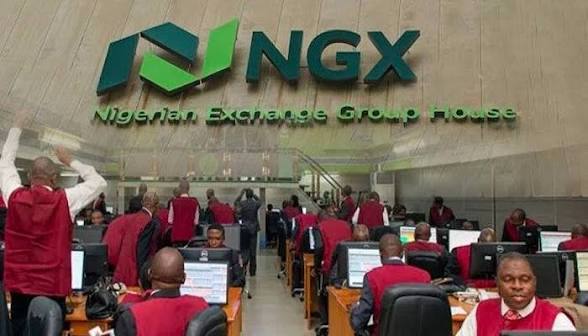
Oyedele commended the Securities and Exchange Commission (SEC), Central Bank of Nigeria (CBN), Nigerian Exchange Group (NGX), Central Securities Clearing System (CSCS), capital market operators and other stakeholders for their sustained collaboration.
According to him, coordinated efforts covering regulatory reform, market infrastructure modernisation and investor engagement were central to restoring Nigeria’s standing among global index providers.
The recognition is significant because the return to Frontier Market status follows changes across several parts of the financial market ecosystem rather than a single policy intervention.
Frontier Status, Emerging Market Ambition
The Minister cautioned that the reclassification should be regarded as “a milestone, not a destination,” as the Federal Government seeks to position Nigeria for progression to Emerging Market status in the near term. Oyedele said the government would continue working with market regulators and institutions to deepen liquidity, broaden participation and strengthen investor protection.
He added that the Federal Government would support policies aimed at enhancing the depth, transparency and global competitiveness of the Nigerian capital market as a key pillar of the country’s economic transformation agenda.
The Real Test: Converting Status to Capital
While the FTSE Russell reclassification represents a significant reputational and market-access gain for Nigeria, its lasting value will be measured by what it delivers for investors and the broader economy. The immediate challenge is to convert improved market classification into actual foreign capital inflows, deeper liquidity, broader international participation, stronger price discovery and sustained investor confidence.
For Nigeria, returning to the Frontier Market universe restores an important link to global capital. The next task is to ensure that improved market access is matched by a market environment capable of retaining capital, attracting new investors and sustaining the momentum towards Emerging Market status.

About The Author


Vitafoam Invests in Health and Humanity with Equipment Donation to UPTH
ICMR Seeks Stronger Institutions, Technology-Driven Capital Market Beyond Recapitalisation

NGX Group Acquires 10% Stake in Nairobi Exchange, Deepens Pan-African Expansion