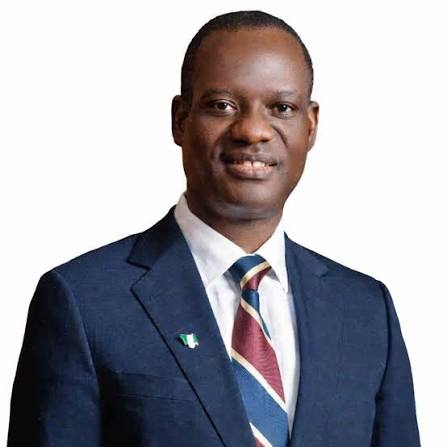
FG and the N100 Billion Unclaimed Dividend Fund Borrowing, By Uche Uwaleke

Furthermore, Nigeria is not alone in this practice. Several established jurisdictions, including parts of the United States and Canada, operate escheatment laws that permit the state to take temporary custody of abandoned financial assets for public benefit, often reinvesting them in government securities. The principle itself, therefore, is not without precedent.
Legality does not eliminate concern. The more critical issue is how transparently and prudently the arrangement is managed, given that these are ultimately private funds held in trust. From an investor’s perspective, the implications are nuanced. On one hand, it reinforces the notion that unclaimed dividends and dormant balances are not lost but remain recoverable, even if utilized in the interim, it’s an outcome that can be reassuring if the system functions efficiently. On the other hand, it raises legitimate concerns about accessibility and the ease with which investors can reclaim their funds. If the process becomes cumbersome or repayment is delayed, confidence in the market could erode. Investors seek assurance not only that their funds are protected in principle, but that they are accessible promptly and without friction. The credibility of institutions such as the Debt Management Office and the Central Bank of Nigeria will therefore be central to sustaining trust.
As for the broader market impact, the effects could cut both ways. In the short term, the amounts involved are relatively small compared to Nigeria’s overall domestic debt stock, suggesting a limited direct market impact. However, perception is critical in capital markets. If investors interpret this move as government overreach into private assets, it could dampen sentiment, particularly among retail investors who are already sensitive to issues surrounding dividend access and account management. Conversely, if implemented with strong safeguards with clear record-keeping, prompt repayment mechanisms, regular disclosures, and independent oversight, it could signal financial innovation and improve asset utilisation without undermining ownership rights.
For the market to avoid a negative spiral, three safeguards are essential. First, a publicly accessible, real-time digital registry that allows any investor to verify whether their funds have been transferred and what interest has accrued. Second, an ironclad, automated repayment mechanism that reliably honours the ten-working-day refund commitment without bureaucratic delays. Third, an independent oversight committee—not limited to insiders from the CBN, DMO, and SEC but inclusive of investor representation, to conduct annual audits of the fund. Without these safeguards, the UFTF risks being perceived not as a creative financing tool, but as a quiet expropriation in disguise.
Ultimately, the sustainability of this policy will hinge on trust. The government must ensure it is not seen as a convenient fallback for deficit financing, but as a carefully managed trust arrangement. Strengthening claims processes, enhancing public awareness, and ensuring strict accountability in fund management will go a long way towards preserving investor confidence and safeguarding the integrity of the capital market.
Professor Uwaleke is the President, Capital Market Academics of Nigeria

About The Author


Fuel Subsidy: From Fiscal Relief to Shared Prosperity, By Kayode Oladipupo
The Path to Nigeria’s Greatness: My Birthday Wish, By Kayode Oladipupo
An X-Ray of Nigeria’s Capital Market Master Plan, By Uche Uwaleke